
TMJ TREATMENTS
Arthroscopy – Keyhole Surgery
TMJ arthroscopy is both a diagnostic and therapeutic procedure. Using a small camera inserted into the joint, your surgeon can capture detailed images to assess inflammation, disc condition, and structural changes, with targeted treatment performed through tiny incisions.
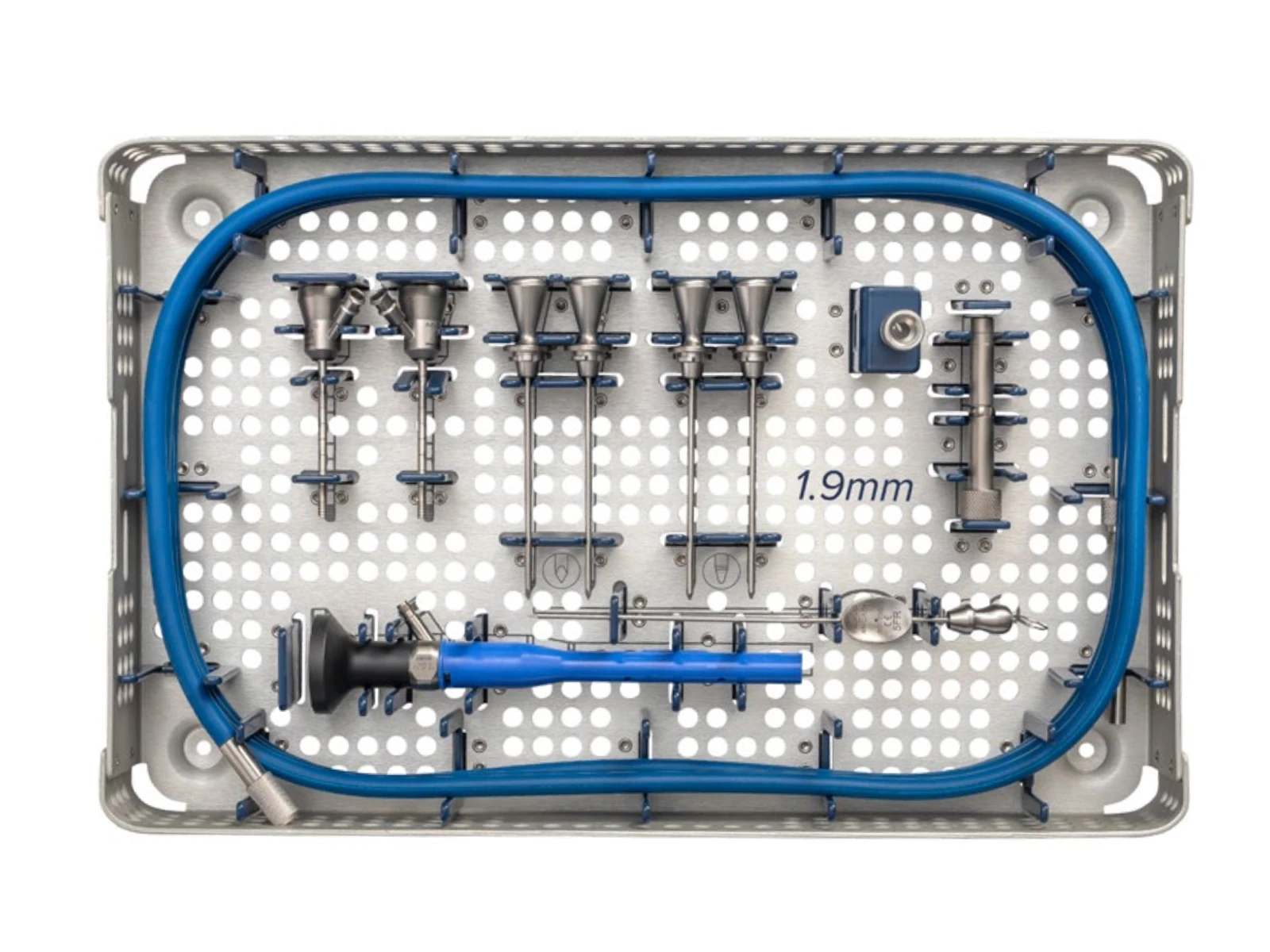
Overview
What this means for you.
TMJ arthroscopy is internationally recognised as the gold standard for minimally invasive surgical management of many TMJ disorders. It combines diagnostic precision with targeted treatment via small incisions, enabling faster recovery, fewer complications, and preservation of joint structures.
- Procedure
- Keyhole TMJ surgery
- Anaesthesia
- General anaesthesia
- Stay
- Day-stay
- Recovery
- 1–2 weeks to normal activity
- Follow-up
- Physiotherapy
How it's delivered
What TMJ arthroscopy involves
- 01
Diagnostic assessment
Using a small camera inserted into the joint, your surgeon can capture detailed images to assess inflammation, disc condition, and structural changes.
- 02
Therapeutic intervention
The same procedure allows for treatment such as removing debris, releasing adhesions, repositioning the disc, and smoothing the joint surface, all performed through tiny incisions.
- 03
Specialist training
All of our surgeons have completed TMJ arthroscopy training through advanced programmes in the United States. It is an option not widely available through most surgeons in New Zealand.
Is this for you
TMJ arthroscopy is often considered when:
- Diagnostic precision is needed to assess inflammation, disc condition, and structural changes
- Targeted treatment is required: removing debris, releasing adhesions, repositioning the disc, or smoothing the joint surface
- A minimally invasive approach is preferred over open joint surgery
- Faster recovery and preservation of joint structures are priorities
Recovery
Recovery after TMJ arthroscopy
- 01
Day of surgery
Day 0Patients usually go home the same day. Swelling, stiffness, and mild discomfort are common but manageable.
- 02
Return to normal activity
1–2 weeksMost people return to normal activities within one to two weeks. Benefits often include improved jaw movement and reduced pain.
- 03
Physiotherapy
Across recoveryPhysiotherapy following arthroscopy is essential to support functional joint remodelling, reduce stiffness, and restore normal jaw movement.
What to expect
What to expect after the procedure
Swelling, stiffness, and mild discomfort are common after the procedure but manageable.
-
Swelling and stiffness
Swelling, stiffness, and mild discomfort are common but manageable.
Common questions
Common questions about TMJ arthroscopy
Why is TMJ arthroscopy considered the gold standard?
TMJ arthroscopy is internationally recognised as the gold standard for minimally invasive surgical management of many TMJ disorders. It combines diagnostic precision with targeted treatment via small incisions, enabling faster recovery, fewer complications, and preservation of joint structures.
How are your surgeons trained for this procedure?
All of our surgeons have completed TMJ arthroscopy training through advanced programmes in the United States. It is an option not widely available through most surgeons in New Zealand.
How long is recovery?
Patients usually go home the same day. Swelling, stiffness, and mild discomfort are common but manageable. Most people return to normal activities within one to two weeks. Benefits often include improved jaw movement and reduced pain.
Related
Related care at Auckland TMJ Centre
Same surgeons
OMS Specialists
When surgery is required, it is carried out at OMS Specialists, our co-located oral and maxillofacial surgery practice. Same surgeons, same accredited facility, full-scope surgical care across jaw, facial, oral, and skin conditions.
Visit OMS Specialists